The leaders of tomorrow will need more than knowledge and technical skills. They will need the ability to imagine new possibilities, solve complex problems, and adapt to a rapidly changing world. Creativity is becoming one of the most valuable qualities a child can develop because it allows individuals to look beyond existing solutions and create meaningful change.
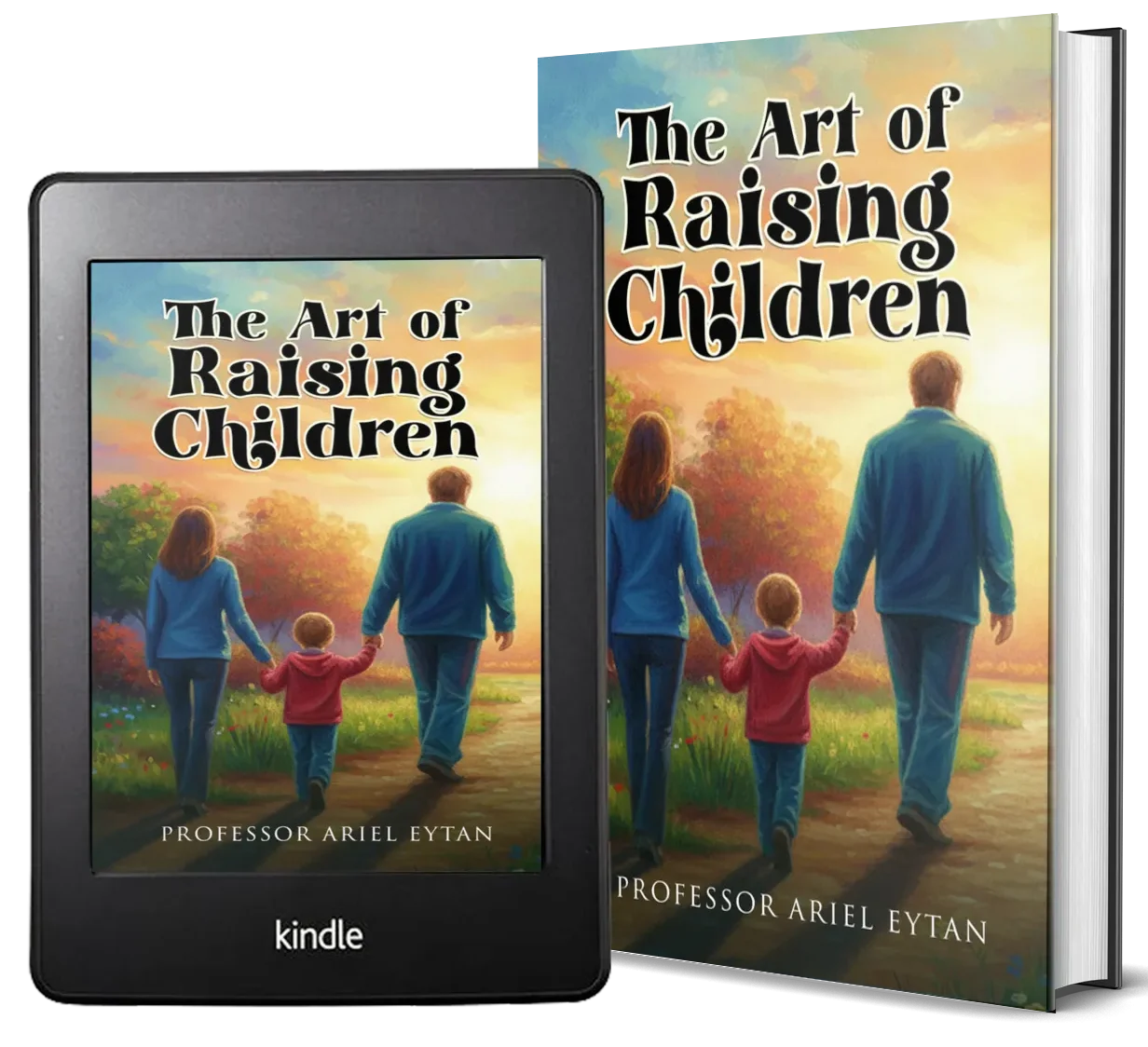
In The Art of Raising Children, Professor Ariel Eytan highlights creativity as an essential part of preparing children for future success. Creativity is not limited to artistic abilities such as drawing, music, or writing. It is a way of thinking that encourages curiosity, innovation, problem solving, and the confidence to explore new ideas.
The challenges of the modern world require leaders who can approach problems from different perspectives. Whether in business, science, technology, or communities, progress often begins with someone willing to question existing methods and imagine better solutions. Children who develop creative thinking skills are better prepared to navigate uncertainty and contribute original ideas.
Parents play an important role in developing creativity by creating an environment where children feel comfortable exploring, experimenting, and asking questions. When children are encouraged to investigate their interests and express their thoughts freely, they learn that their ideas have value.
Creativity also grows when children are allowed to make mistakes. Fear of failure can prevent children from taking risks and exploring new possibilities. When parents teach children that mistakes are opportunities to learn, they build confidence and resilience. This mindset encourages children to keep searching for solutions even when challenges arise.
Play is another powerful way to develop creativity. Through imaginative play, children learn how to create scenarios, solve problems, communicate ideas, and understand different viewpoints. Activities such as storytelling, building projects, music, and creative experiments help children strengthen their ability to think flexibly.
Future leaders will also need the ability to combine creativity with responsibility. Innovation is most valuable when it improves lives and contributes positively to society. By teaching children compassion, ethics, and social awareness alongside creative thinking, parents help them become leaders who use their abilities with purpose.
Professor Eytan’s approach connects creativity with lifelong learning, resilience, and leadership development. The goal is not simply to raise children who can follow instructions but to encourage individuals who can think independently, adapt to change, and inspire others.
The Art of Raising Children offers parents valuable insights into nurturing the skills and values children need for the future. Creativity is not just a talent; it is a foundation for leadership, innovation, and personal growth.
By encouraging curiosity, imagination, and independent thinking, parents can help their children become the problem solvers and leaders who will shape the world of tomorrow.