We are raising children in a time unlike any other. The world is faster, louder and more uncertain than ever before. From academic pressure to social media influence, children today face challenges that previous generations never had to navigate. As parents, the question is no longer just how to help our children succeed but how to help them stay strong while doing so.
The Art of Raising Children by Professor Ariel Eytan offers a powerful answer: emotional strength is not something children are born with; it is something they develop through the right guidance, environment and experiences.
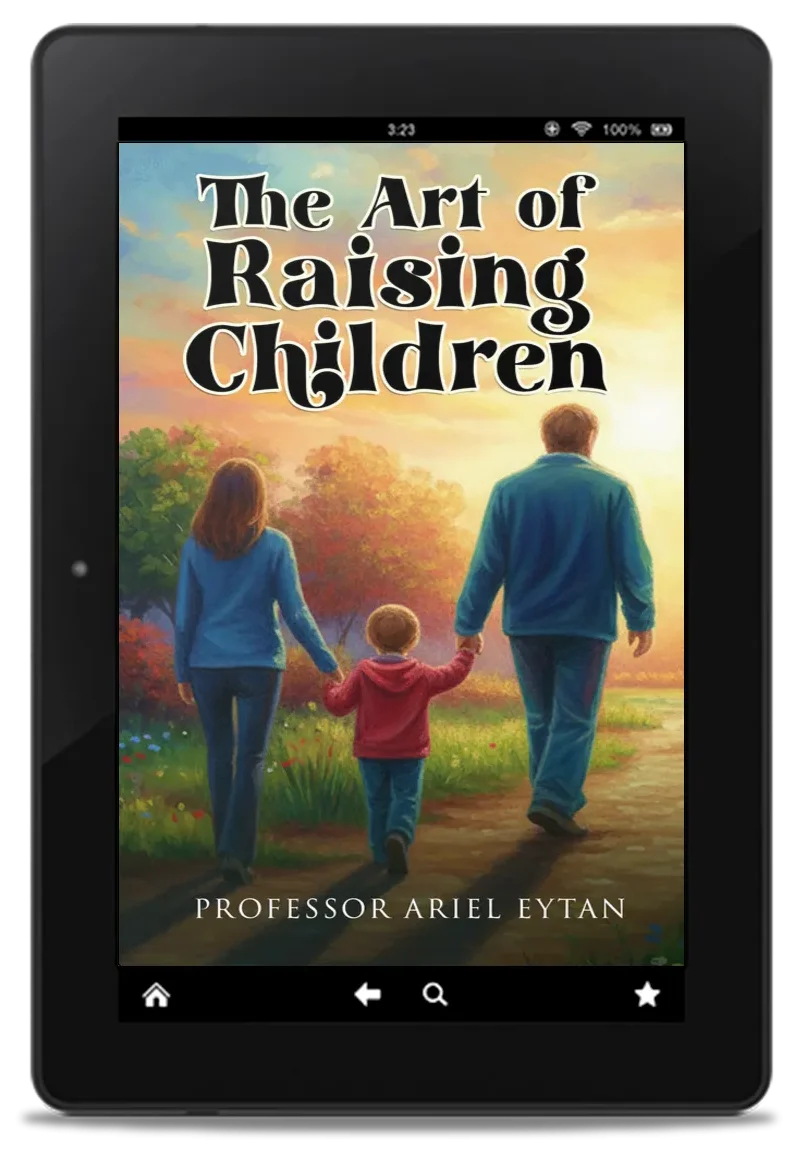
One of the central ideas in the book is that emotional strength begins with independence. Children who are constantly controlled or shielded from challenges often struggle when faced with real-world difficulties. In contrast, children who are encouraged to think for themselves, make decisions and learn from their experiences develop resilience. They begin to trust their own abilities and that confidence becomes their foundation in times of uncertainty.
But emotional strength is not just about independence; it is also about connection. Professor Eytan emphasizes the importance of strong, respectful relationships between parents and children. When children feel heard, valued and understood, they develop a sense of emotional security. This security allows them to express their thoughts, face their fears and recover from setbacks without feeling overwhelmed.
Another powerful insight from the book is the role of example in shaping emotional resilience. Children are constantly observing how adults respond to stress, failure and conflict. When parents handle challenges with patience, integrity and calmness, children learn to do the same. Emotional strength, in this sense, is not taught through lectures; it is modeled through everyday behavior.
The book also highlights the importance of balancing discipline with empathy. Structure and expectations give children a sense of stability, while empathy ensures they feel supported within that structure. This balance helps children understand that while challenges are a natural part of life, they are never alone in facing them. It creates a mindset in which obstacles are seen not as threats but as opportunities to grow.
In today’s fragile world, another critical skill is the ability to think critically and adapt. The Art of Raising Children encourages parents to move away from rigid thinking and instead nurture curiosity and problem-solving. When children are allowed to ask questions, explore ideas and challenge assumptions, they become more mentally flexible. This flexibility is key to handling uncertainty and change with confidence.
What makes this book especially relevant is its holistic approach. It does not separate emotional strength from education or character; it connects them. Academic growth, moral values and emotional resilience are all part of the same journey. By addressing all aspects of a child’s development, the book provides a complete framework for raising well-rounded individuals.
Ultimately, raising emotionally strong children is not about eliminating difficulty from their lives. It is about preparing them to face difficulty with courage, confidence and clarity. It is about giving them the tools to stand firm in a world that often feels unstable.
For parents who want more than surface-level advice for those who want to truly understand how to nurture strength, resilience and confidence in their children, The Art of Raising Children is an essential guide.
Because in a fragile world, raising strong children is not just important, it is everything.