For many parents, academic success is closely connected to exam results. High marks, strong rankings, and educational achievements are often viewed as signs that a child is on the right path. While academic performance has value, preparing children only for tests can limit their curiosity, creativity, and ability to continue learning beyond the classroom.
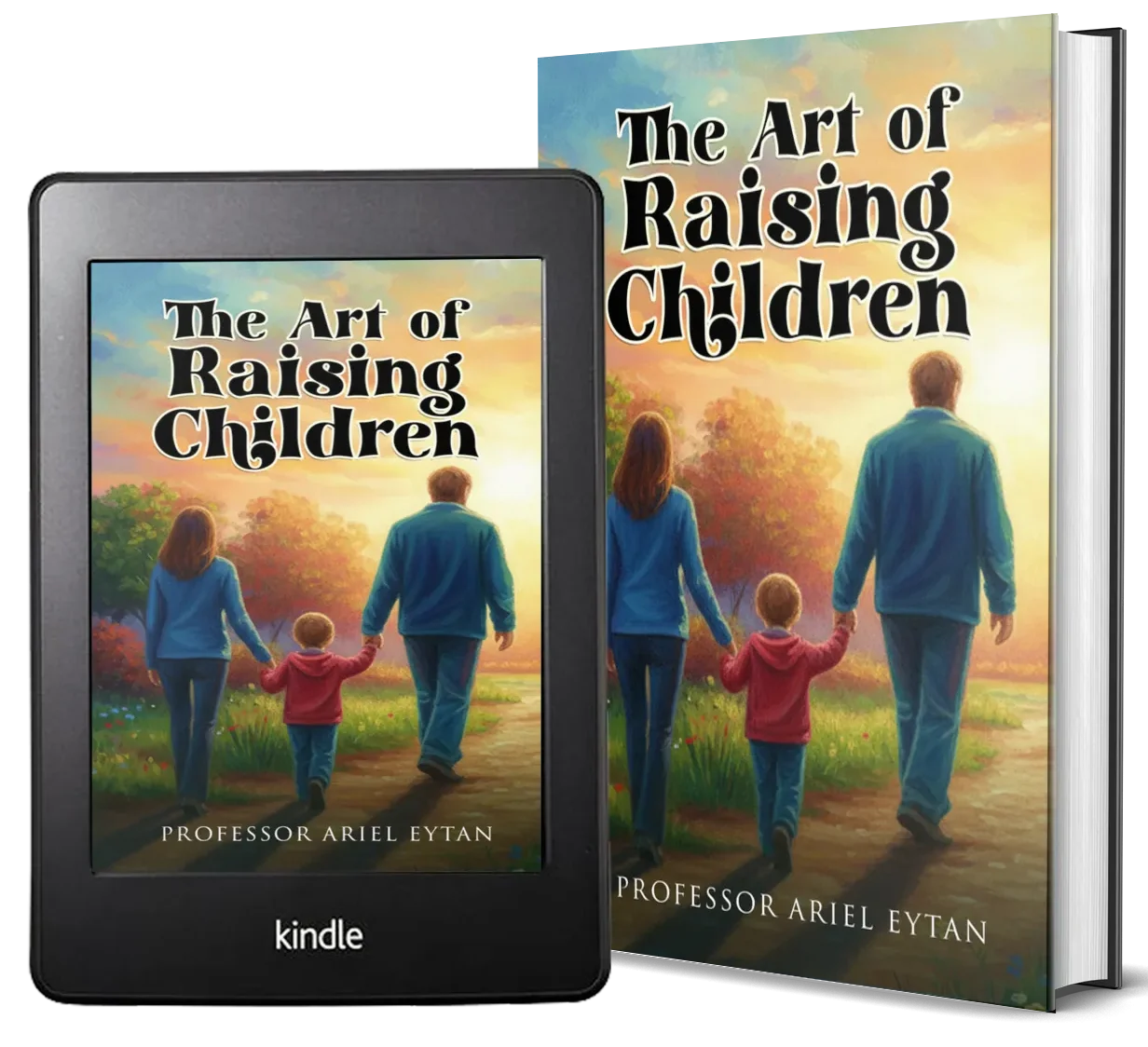
In The Art of Raising Children, Professor Ariel Eytan presents the idea that education should be about developing lifelong learners who remain curious, adaptable, and motivated throughout their lives. True learning is not simply about remembering information for an exam. It is about understanding ideas, asking questions, solving problems, and developing the confidence to explore new possibilities.
A lifelong learner does not see education as something that ends after school. Instead, learning becomes a natural part of life. Children who develop this mindset are more prepared for a world that continues to change through new technologies, discoveries, and challenges.
One of the most effective ways parents can encourage lifelong learning is by protecting and nurturing curiosity. Children naturally want to understand the world around them. When parents welcome questions, encourage exploration, and show enthusiasm for discovery, children begin to see learning as an exciting experience rather than a responsibility they must complete.
Parents can also help children move beyond memorization by encouraging critical thinking. Instead of focusing only on finding the correct answer, families can discuss ideas, explore different perspectives, and ask children why they think a certain way. These conversations help children develop independent thinking skills and become more confident in their own abilities.
Practical experiences also play an important role in meaningful education. Children learn deeply when they can apply knowledge to real situations. Activities such as creative projects, community involvement, experiments, and problem solving allow children to connect classroom learning with everyday life.
A balanced approach to education also recognizes the importance of mistakes. Children who fear failure may avoid challenges, while children who understand that mistakes are part of learning become more willing to try, improve, and grow. Encouraging effort and persistence helps children develop resilience and confidence.
Technology can also support lifelong learning when used wisely. Digital resources, educational platforms, and online learning opportunities can expand a child’s access to knowledge. However, children benefit most when technology is used as a tool for creativity, exploration, and growth rather than simple entertainment.
The Art of Raising Children encourages parents to look beyond exam results and focus on developing children who can think, adapt, and continue learning throughout their lives. Academic achievement is valuable, but the ability to remain curious and embrace new knowledge is what prepares children for long term success.
The goal is not only to raise students who perform well in school but individuals who approach the world with curiosity, confidence, and a desire to keep growing. By creating an environment where learning is celebrated, parents can help children build a foundation that lasts far beyond the classroom.