Raising children who are disciplined, resilient and confident is one of the greatest aspirations of any parent, yet it is also one of the most complex challenges in today’s fast-paced and highly competitive world. Academic pressure, digital distractions, social comparison and emotional stress can easily affect a child’s development. In The Art of Raising Children, Professor Ariel Eytan offers a deeply insightful and practical approach to addressing this challenge by drawing on cultural wisdom, leadership principles and real-life parenting experiences.
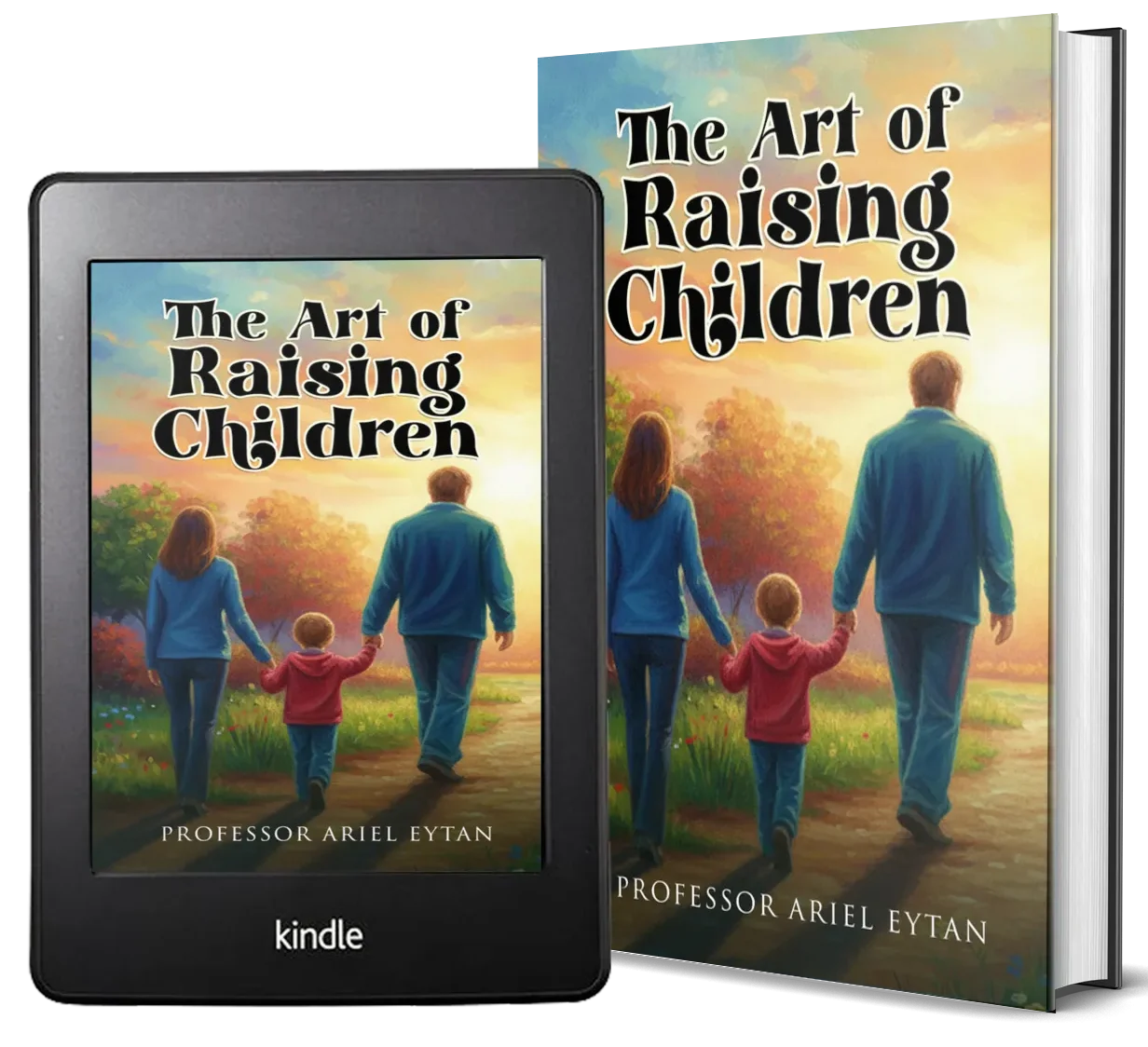
At the heart of the book is a simple but powerful idea: discipline, resilience and confidence are not traits children are born with; they are qualities that are cultivated over time through consistent guidance, environment and example. Professor Eytan emphasizes that parents play the most critical role in shaping these attributes, not through control or pressure, but through intentional teaching, emotional support and meaningful life lessons.
Discipline, as presented in the book, is not about strict rules or punishment. Instead, it is about teaching children self-control, responsibility and the ability to stay committed to goals even when motivation fades. Professor Eytan highlights that discipline is best developed through structure combined with understanding. When children are given clear expectations and understand the purpose behind them, they are more likely to internalize disciplined behavior rather than simply obeying out of fear.
One of the key lessons from the book is that discipline must be practiced daily in small actions. Simple routines such as completing homework on time, maintaining commitments and managing time effectively help children build a strong internal sense of order. Over time, these habits become part of their identity. The book also draws from cultural insights, particularly Jewish traditions that emphasize learning, consistency and responsibility as core elements of personal development.
Resilience, another central pillar, is explored through the lens of how children respond to failure and adversity. Professor Eytan explains that many parents unintentionally protect children from discomfort, but in doing so, they may limit their ability to grow. In The Art of Raising Children, challenges are not seen as obstacles to avoid but as essential experiences that shape strength and character.
The book shares real-life examples from the author’s own family experiences, showing how setbacks, whether academic struggles or emotional difficulties, became opportunities for learning and growth. When children are guided to reflect on their failures rather than fear them, they develop the ability to adapt, recover and persist. This growth-oriented mindset is one of the strongest predictors of long-term success in both personal and professional life.
Confidence, the third essential quality, is closely linked to both discipline and resilience. According to Professor Eytan, confidence is not about constant success or external validation; it is about self-belief built through effort, experience and overcoming challenges. Children develop confidence when they are trusted with responsibilities, encouraged to make decisions and supported through their mistakes.
The book emphasizes the importance of giving children space to try, fail and try again. When parents step back just enough to allow independence while still offering guidance, children begin to trust their own abilities. Over time, this creates a strong internal foundation of confidence that is not easily shaken by external pressures.
A unique aspect of The Art of Raising Children is its cross-cultural perspective. Professor Eytan draws from Jewish cultural values such as education, perseverance and community support and connects them with the strong academic and family-oriented traditions found in East Asian societies. This blend of cultural insights provides parents with a broader understanding of how discipline, resilience and confidence are shaped across different environments.
Rather than offering a one-size-fits-all method, the book encourages adaptability. Every child is different and parenting strategies must reflect individual personality, cultural context and emotional needs. This flexible approach ensures that discipline does not become rigidity, resilience does not become pressure and confidence does not become arrogance.
Family and community also play a vital role in this developmental journey. Professor Eytan emphasizes that children grow best in environments where they feel supported, valued and connected. Strong relationships with parents, mentors and community members provide the emotional security necessary for children to take risks and grow.
Ultimately, The Art of Raising Children presents a holistic vision of parenting that goes beyond academic achievement or behavioral control. It invites parents to focus on long-term character building, where discipline, resilience and confidence work together to shape capable and grounded individuals.
In a world where uncertainty is constant, these qualities are not optional; they are essential. Through thoughtful guidance, cultural wisdom and practical strategies, Professor Ariel Eytan offers parents a meaningful roadmap to help their children not only succeed but thrive with strength, purpose and self-belief.