For generations, discipline has been at the heart of parenting. Rules, boundaries and consequences have long been seen as the primary tools for raising well-behaved children. But in today’s complex and rapidly changing world, a critical question emerges: Is discipline alone enough?
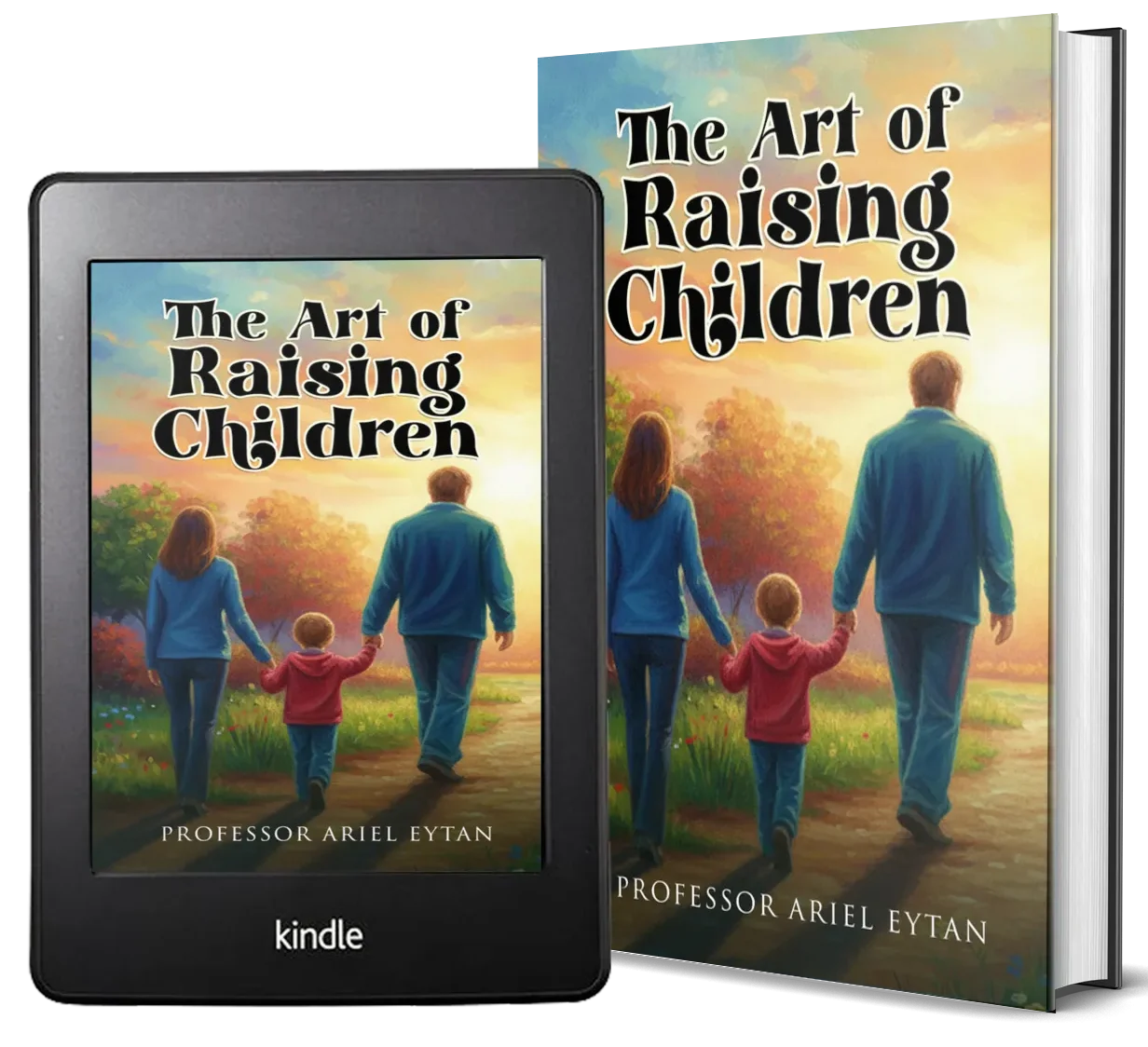
In The Art of Raising Children, Professor Ariel Eytan offers a powerful shift in perspective, one that moves parenting beyond discipline and toward something far more impactful: responsibility.
At first glance, discipline and responsibility may seem closely related. However, the difference between the two is profound. Discipline often focuses on controlling behavior, ensuring children follow rules and avoid mistakes. Responsibility, on the other hand, focuses on developing internal awareness, helping children understand their actions, make thoughtful choices and take ownership of their decisions.
This shift changes everything.
Professor Eytan explains that when children are raised solely through discipline, they may learn to behave correctly in the presence of authority. But when they are taught responsibility, they learn to make the right choices even when no one is watching. This is the foundation of true character.
One of the key ideas in the book is that responsibility cannot be forced; it must be developed. Children need opportunities to make decisions, face consequences and reflect on their experiences. Instead of shielding them from failure, parents are encouraged to guide them through it. These moments, though sometimes uncomfortable, are where real growth happens.
Equally important is the role of trust. When parents trust their children with age-appropriate responsibilities, whether it’s managing schoolwork, helping at home or solving problems, they send a powerful message: You are capable. This belief strengthens a child’s confidence and encourages them to take initiative in other areas of life.
The book also highlights the importance of teaching through example. Children are constantly observing how adults handle responsibility in their own lives. Do parents follow through on commitments? Do they admit mistakes? Do they approach challenges with accountability? These everyday actions shape how children understand responsibility far more than any rule or lecture ever could.
Another critical element is balance. The Art of Raising Children does not suggest abandoning discipline altogether. Instead, it redefines its purpose. Structure and boundaries remain essential, but they are used as tools to support growth rather than to control behavior. When combined with empathy and open communication, this balanced approach helps children feel both guided and empowered.
In a world that increasingly values independence, creativity and problem-solving, raising responsible children is more important than ever. Employers, educators and communities are no longer just looking for individuals who follow instructions; they are looking for individuals who think, adapt and take initiative.
This is why the transition from discipline to responsibility is so crucial. It prepares children not just for school, but for life.
The Art of Raising Children offers parents a clear, thoughtful roadmap for making this transition. It challenges outdated assumptions, introduces meaningful strategies and ultimately empowers parents to raise children who are not only well-behaved but also self-aware, confident and capable.
Because at the end of the day, the goal of parenting is not just to manage children, it is to prepare them.
And responsibility is where that preparation truly begins.