In a world crowded with parenting guides that promise quick results and universal formulas, The Art of Raising Children by Professor Ariel Eytan takes a markedly different path. Rather than offering rigid rules or trendy techniques, the book presents a reflective and culturally grounded exploration of what it truly means to raise successful children. Its strength lies in its depth, patience, and respect for both tradition and individuality.
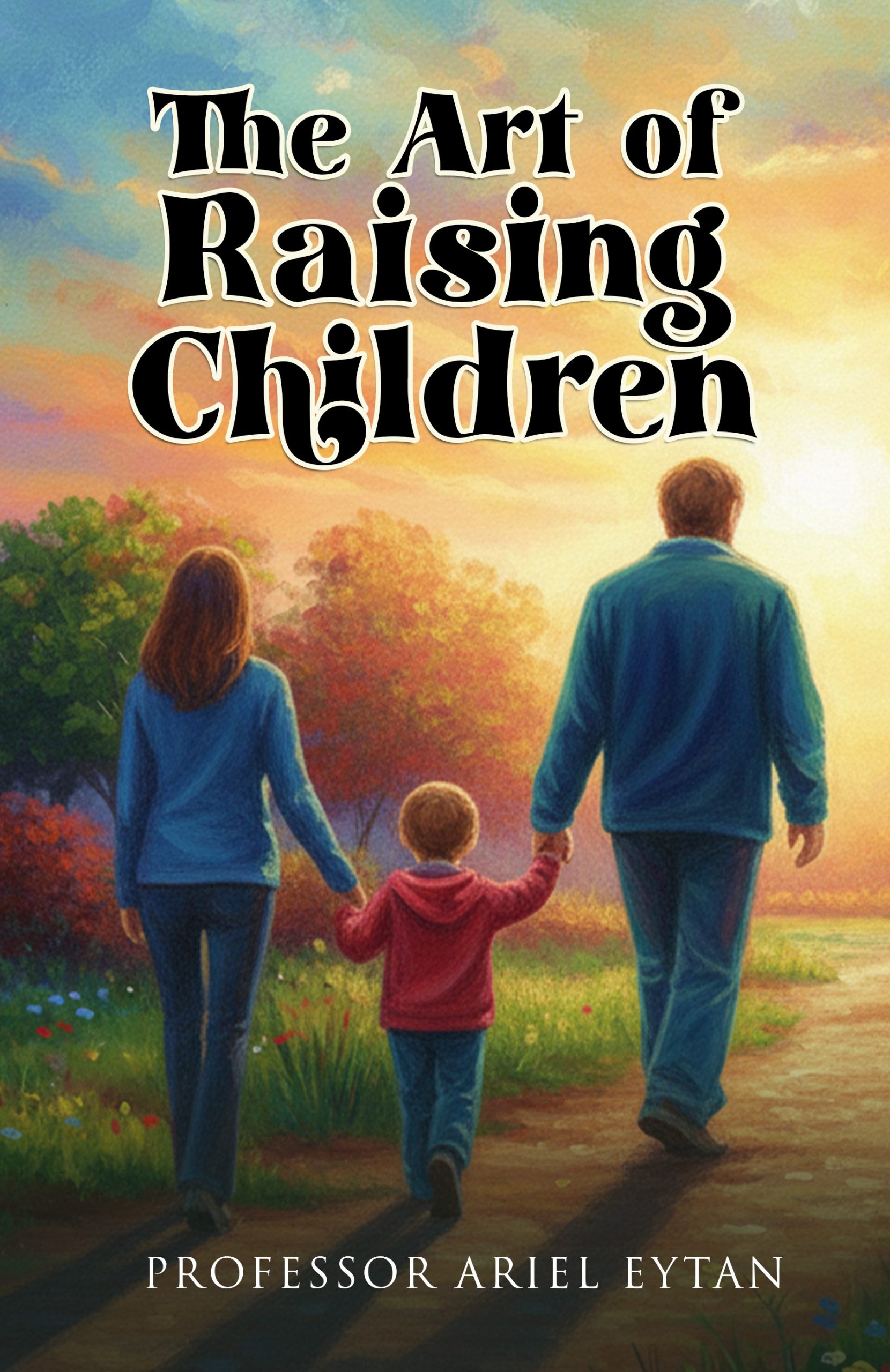
At its core, The Art of Raising Children examines success not as a narrow measure of academic achievement or professional status, but as a balanced outcome that includes emotional well being, ethical character, resilience, and a sense of purpose. Professor Ariel Eytan challenges parents to reconsider inherited definitions of success and invites them to adopt a more human centered approach to child development. This perspective feels particularly relevant in societies where academic pressure and competition often dominate childhood.
One of the book’s most compelling aspects is its cultural framework. Drawing from Jewish values and historical practices, Professor Eytan explores how education, family bonds, perseverance, and moral responsibility have shaped generations. These principles are not presented as rigid traditions to be copied, but as living ideas that can be thoughtfully adapted. The author is careful to avoid romanticizing Jewish success and instead provides a nuanced discussion that acknowledges historical struggle, diversity, and complexity.
The book is especially attentive to East Asian families, particularly those in China and India. Professor Eytan recognizes the strong parallels between Jewish and East Asian cultures, including respect for learning, family loyalty, discipline, and long term thinking. By highlighting these shared values, the book creates a bridge rather than a contrast between cultures. This approach allows parents to reflect on their own traditions while gaining new perspectives without feeling pressured to abandon their cultural identity.
Structurally, The Art of Raising Children is comprehensive and methodical. Each chapter addresses a core element of parenting, including education, community, hard work, emotional intelligence, creativity, resilience, discipline, and leadership. The writing remains accessible and calm, avoiding technical jargon and exaggerated claims. Instead, the book emphasizes steady guidance, reflection, and real life application.
A notable strength of the book is its emphasis on emotional intelligence and communication. Professor Eytan repeatedly reinforces the idea that children thrive when they feel heard, respected, and supported. Parenting is portrayed not as a hierarchy of control, but as a relationship built on trust and mutual respect. This perspective feels grounded and realistic, especially for parents navigating modern challenges such as digital distractions, social pressure, and emotional stress.
Rather than positioning parents as perfect guides, the book acknowledges the evolving nature of parenting. Flexibility, adaptation, and ongoing learning are presented as essential qualities. This honest approach removes the burden of perfection and replaces it with a sense of responsibility paired with compassion.
The Art of Raising Children by Professor Ariel Eytan is not a book for readers seeking shortcuts. It is for parents who are willing to think deeply, reflect on their values, and commit to long term growth alongside their children. Its strength lies in its sincerity, cultural awareness, and belief that raising children is both a personal and communal responsibility. For families seeking guidance that respects tradition while embracing modern realities, this book offers a meaningful and lasting contribution.