In a world filled with parenting guides, child psychology manuals and endless advice on how to raise successful children, it is natural for readers to ask a simple question: What makes The Art of Raising Children by Professor Ariel Eytan different from everything else already on the shelf? The answer lies not in offering another set of quick fixes or rigid formulas, but in presenting a deeply integrated, cross-cultural framework that connects values, leadership and real-life experience in a way few parenting books attempt.
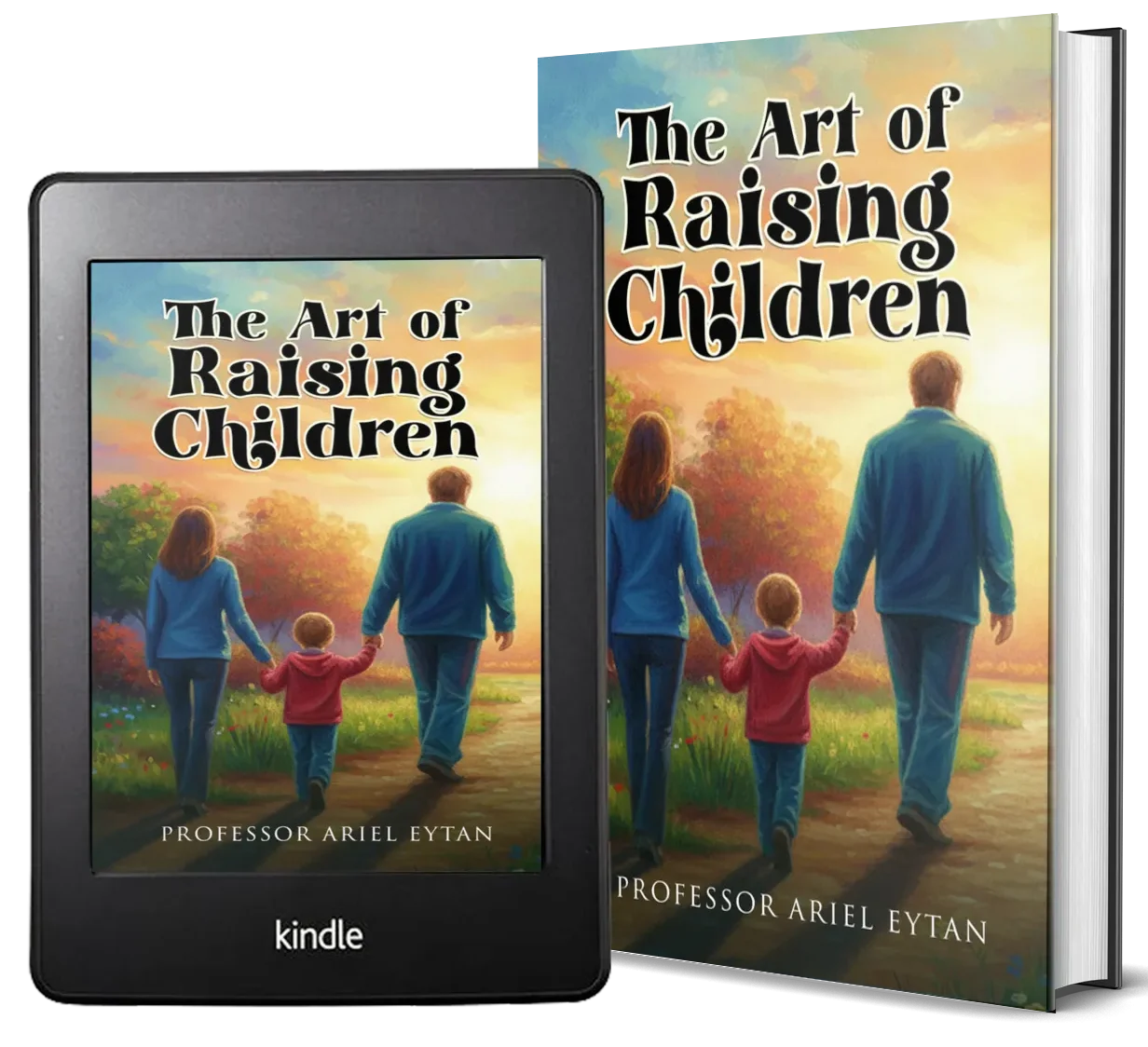
At its core, The Art of Raising Children stands apart because it does not treat parenting as a technical skill alone. Instead, it treats it as a cultural, emotional and philosophical journey. Professor Eytan draws from decades of academic expertise in international management, leadership and education, but also from lived experience as a parent and global observer of different educational systems. This combination gives the book a rare balance between theory and practice, making it both intellectually rich and practically useful.
One of the most distinctive aspects of the book is its cross-cultural foundation. Rather than focusing on a single cultural model of parenting, it explores Jewish cultural values and examines how they intersect with the realities of modern East Asian societies such as China and India, where education, discipline and achievement are highly prioritized. This comparison is not meant to rank cultures but to build bridges between them. Professor Eytan carefully highlights how Jewish traditions of education, resilience and community can complement the strong academic values already present in East Asian families. This global perspective makes the book especially relevant in today’s interconnected world, where children are growing up in increasingly multicultural environments.
Another key difference is the book’s emphasis on leadership development rather than simple academic success. While many parenting books focus on grades, discipline or behavioral control, The Art of Raising Children shifts the conversation toward long-term character formation. It asks a deeper question: how do we raise children who become independent thinkers, ethical decision-makers and responsible leaders? Through this lens, everyday parenting decisions such as how children handle failure, communicate with others or respond to challenges become opportunities for leadership training.
Professor Eytan introduces the idea that leadership begins in childhood, not adulthood. He uses real-life examples, including experiences with his own children, to show how traits like resilience, curiosity and confidence are built over time through consistent guidance. Instead of portraying leadership as something reserved for exceptional individuals, the book presents it as a natural outcome of intentional parenting practices.
Emotional intelligence is another area where this book distinguishes itself. While many traditional parenting guides prioritize obedience or performance, The Art of Raising Children emphasizes the importance of empathy, communication and emotional awareness. Children are encouraged not only to succeed individually but to understand others, work collaboratively and contribute meaningfully to their communities. This focus reflects a more modern understanding of success, where interpersonal skills are just as important as intellectual ability.
The book also places strong emphasis on adaptability. Rather than offering a one-size-fits-all model, it acknowledges that every child is different and every cultural context shapes behavior in unique ways. Parents are encouraged to tailor their approach based on their child’s personality, environment and developmental needs. This flexible approach makes the book applicable to a wide range of families across different regions and backgrounds.
Another defining feature is its integration of historical and cultural insight. By exploring Jewish cultural history and its emphasis on education, perseverance and community support, Professor Eytan provides a deeper understanding of why certain values have persisted and how they can be applied in modern parenting. At the same time, the book avoids stereotypes or simplifications, instead presenting culture as a dynamic and evolving influence on behavior.
Perhaps what truly sets The Art of Raising Children apart is its tone. It does not lecture or prescribe rigid rules. Instead, it guides, reflects and invites readers into a conversation. The writing is grounded in real experiences, including moments of struggle, learning and adaptation within the author’s own family life. This personal dimension makes the book feel authentic and relatable, rather than purely theoretical.
In the end, The Art of Raising Children is different because it expands the definition of parenting itself. It moves beyond discipline and achievement to include leadership, identity, culture and lifelong growth. It does not simply tell parents what to do; it helps them understand why certain values matter and how they shape the adults their children will become.
For parents seeking more than standard advice for those who want to raise thoughtful, capable and globally aware leaders, this book offers a perspective that is both refreshing and deeply relevant in today’s world.